 In the country
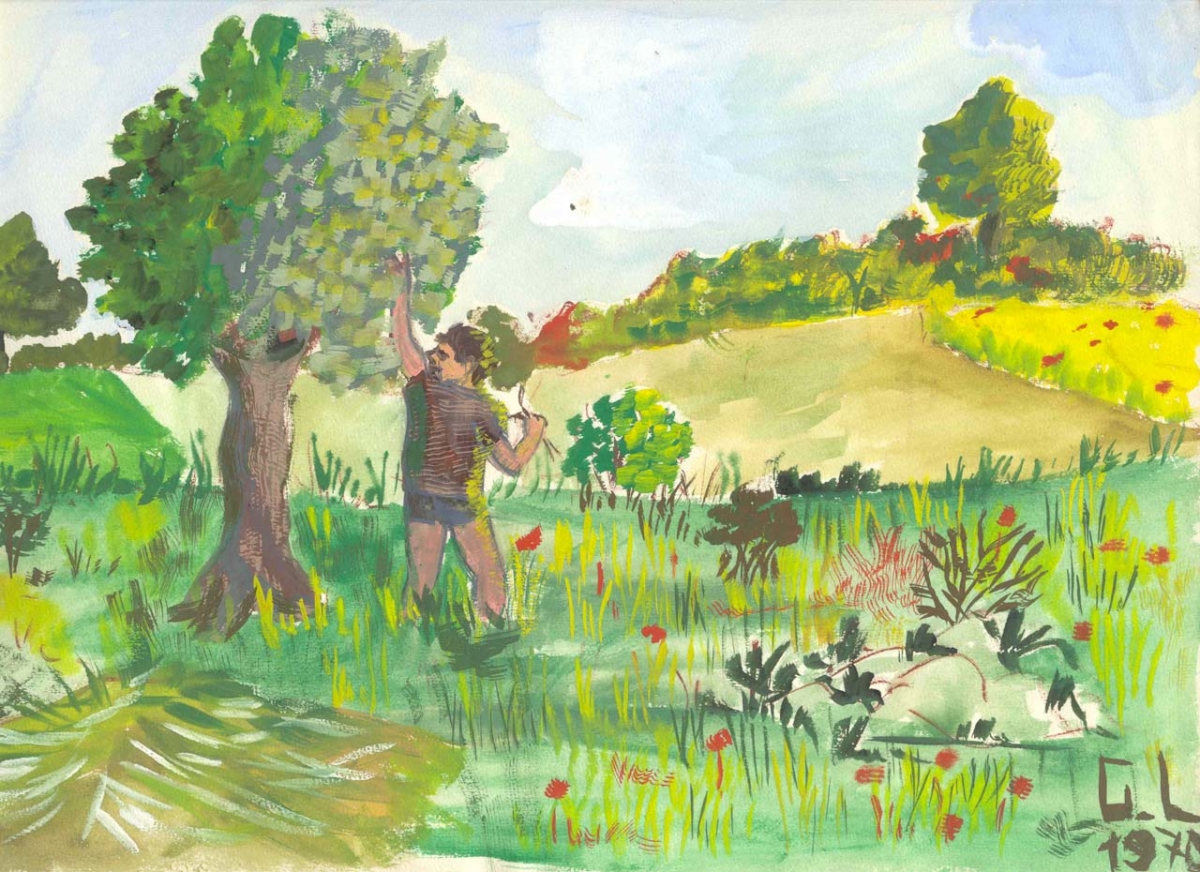
In the country Year: 1970
Technique: Tempera on thin cardboard
Dimensions: 12.6x9.45 inc (32x24 cm)
Progressive number of the 2010 catalog 249
 Landscape
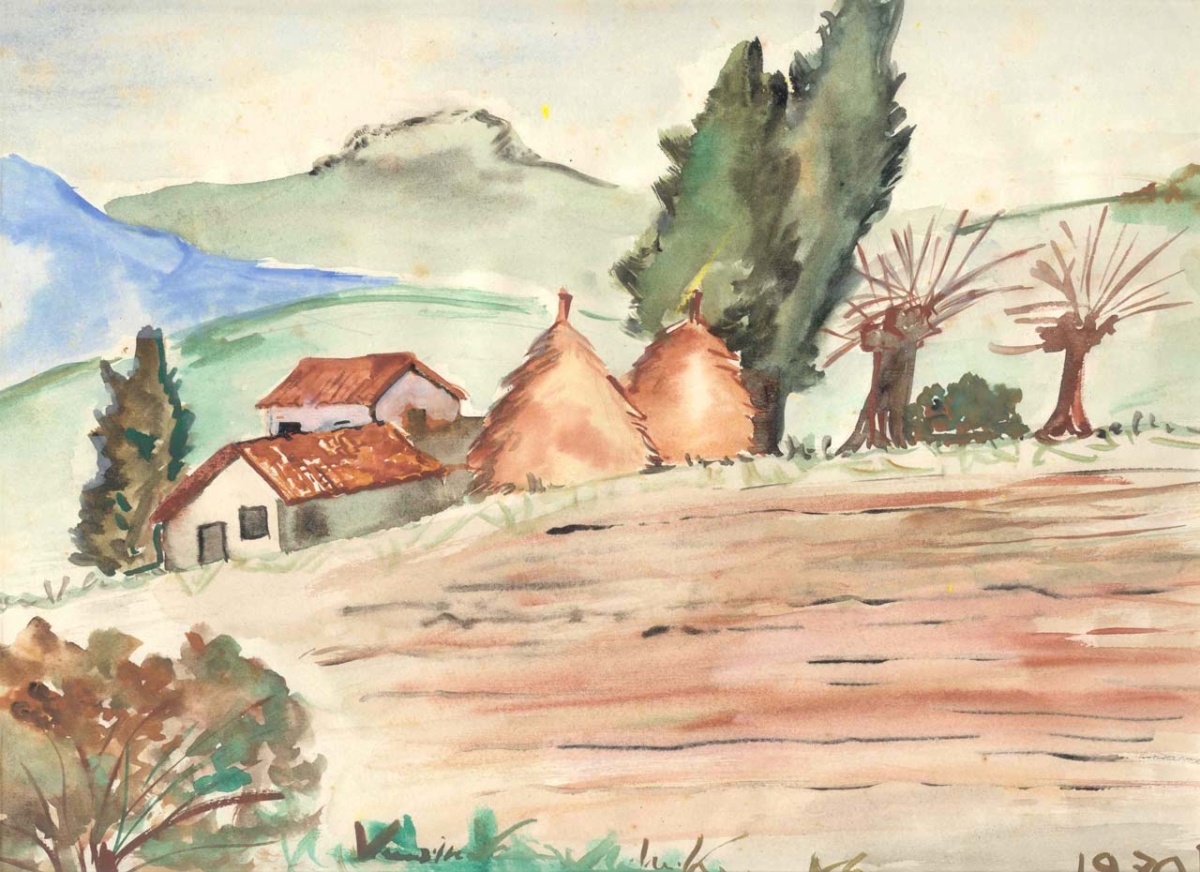
Landscape Year: 1970
Technique: Watercolours on thin cardboard
Dimensions: 13x9.45 inc (33x24 cm)
Progressive number of the 2010 catalog 242
 Seaside holiday
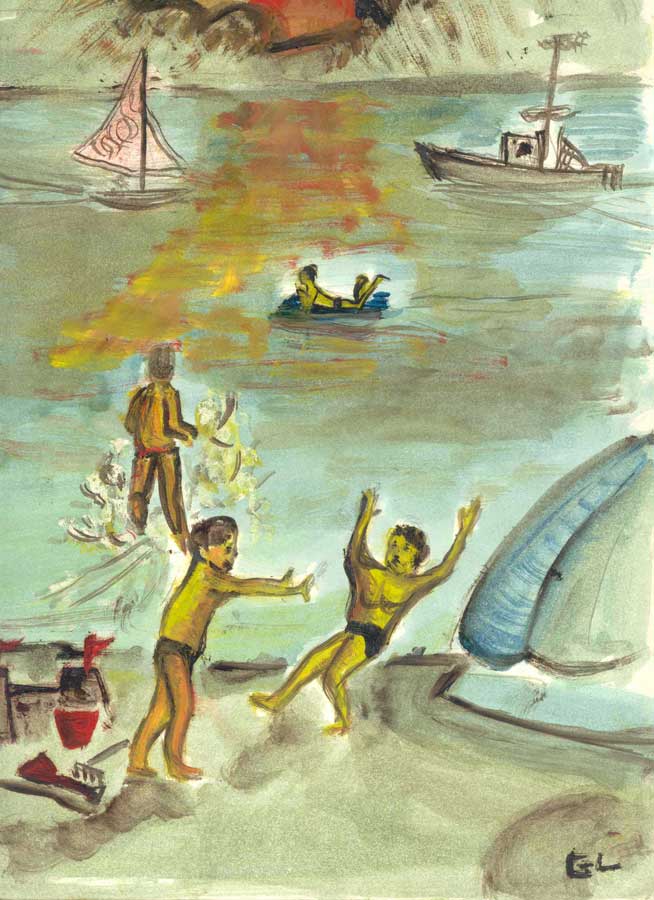
Seaside holiday Year: 1970
Technique: Tempera on thin cardboard
Dimensions: 9.45x13.4 inc (24x34 cm)
Progressive number of the 2010 catalog 236
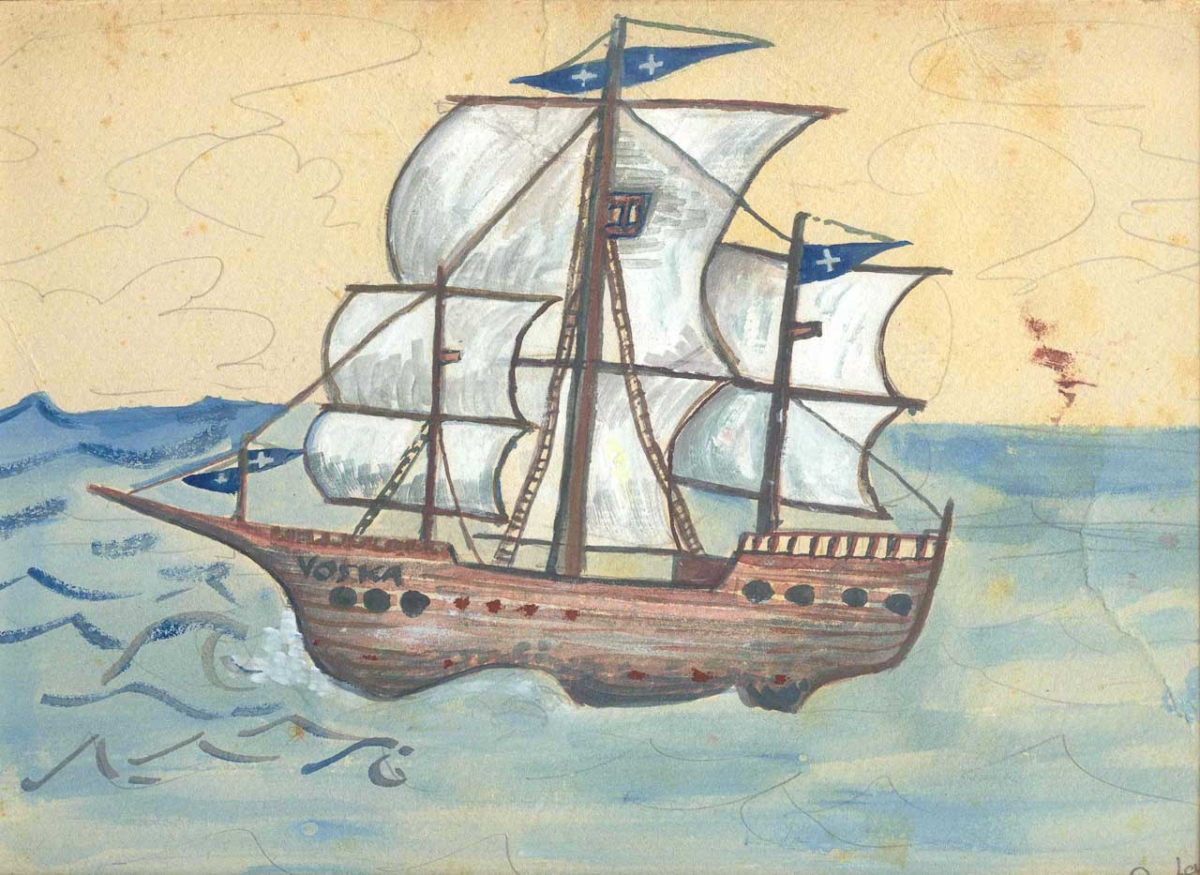 The sailing ship Voska
The sailing ship Voska Year: 1970
Technique: Tempera on thin cardboard
Dimensions: 13.4x9.45 inc (32x24 cm
Progressive number of the 2010 catalog 234
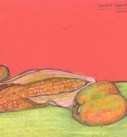
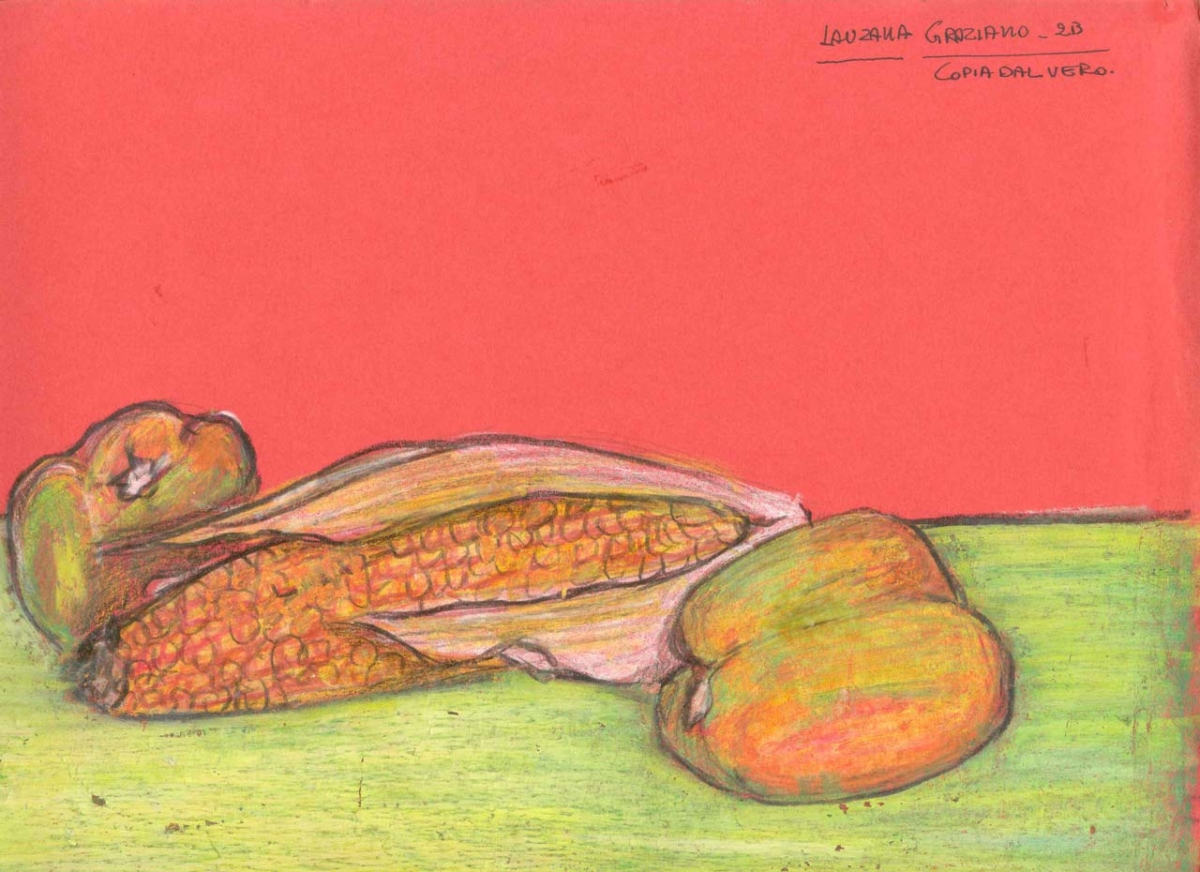 Still life
Still life Year: 1970
Technique: Wax crayons on red paper
Dimensions: 12.6x9.45 inc (32x24 cm)
Progressive number of the 2010 catalog 223
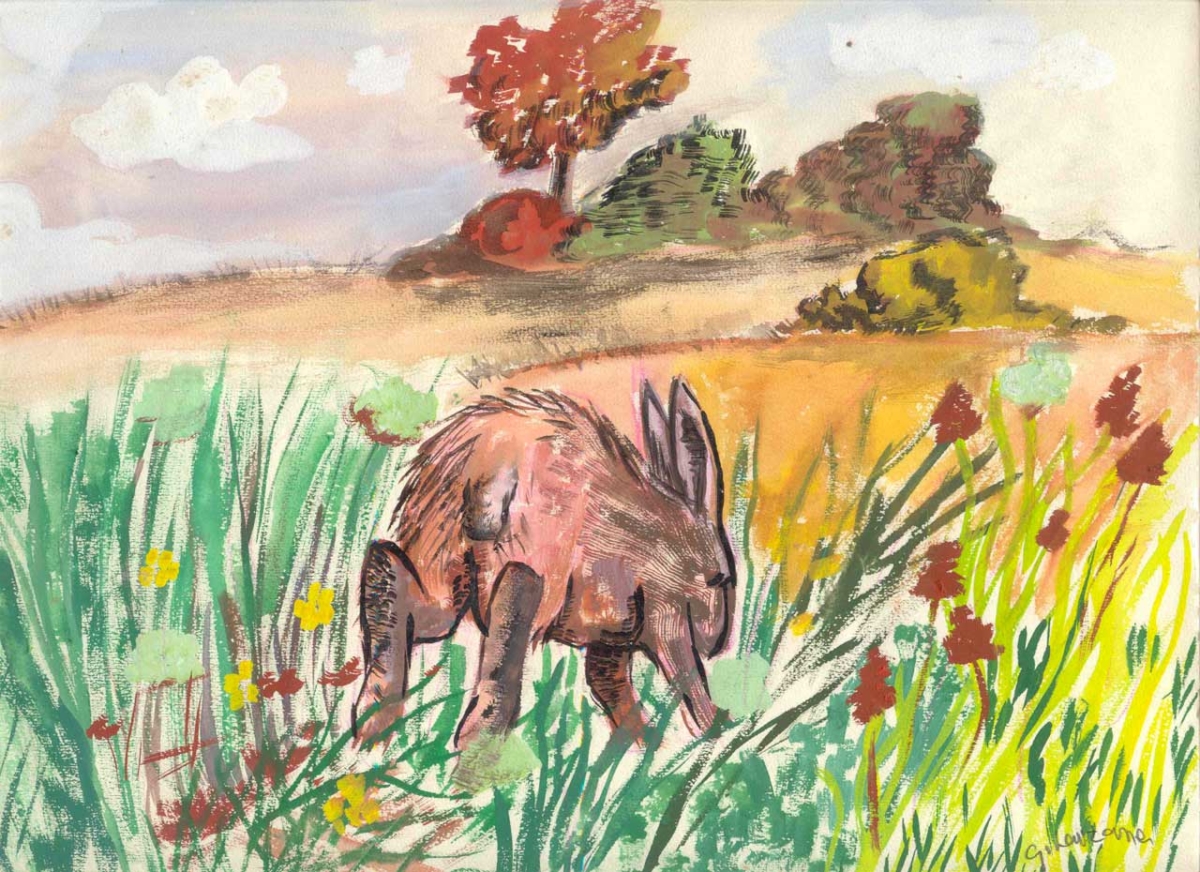 Hare
HareHare Year: 1970
Technique: Tempera su thin cardboard
Dimensions: 12.6x9.45 inc (32x24 cm)
Progressive number of the 2010 catalog 222
 Christ on the cross
Christ on the cross Year: 1969
Technique: Tempera on thin cardboard
Dimensions: 9.45x13.4 inc (24x34 cm)
Progressive number of the 2010 catalog 255
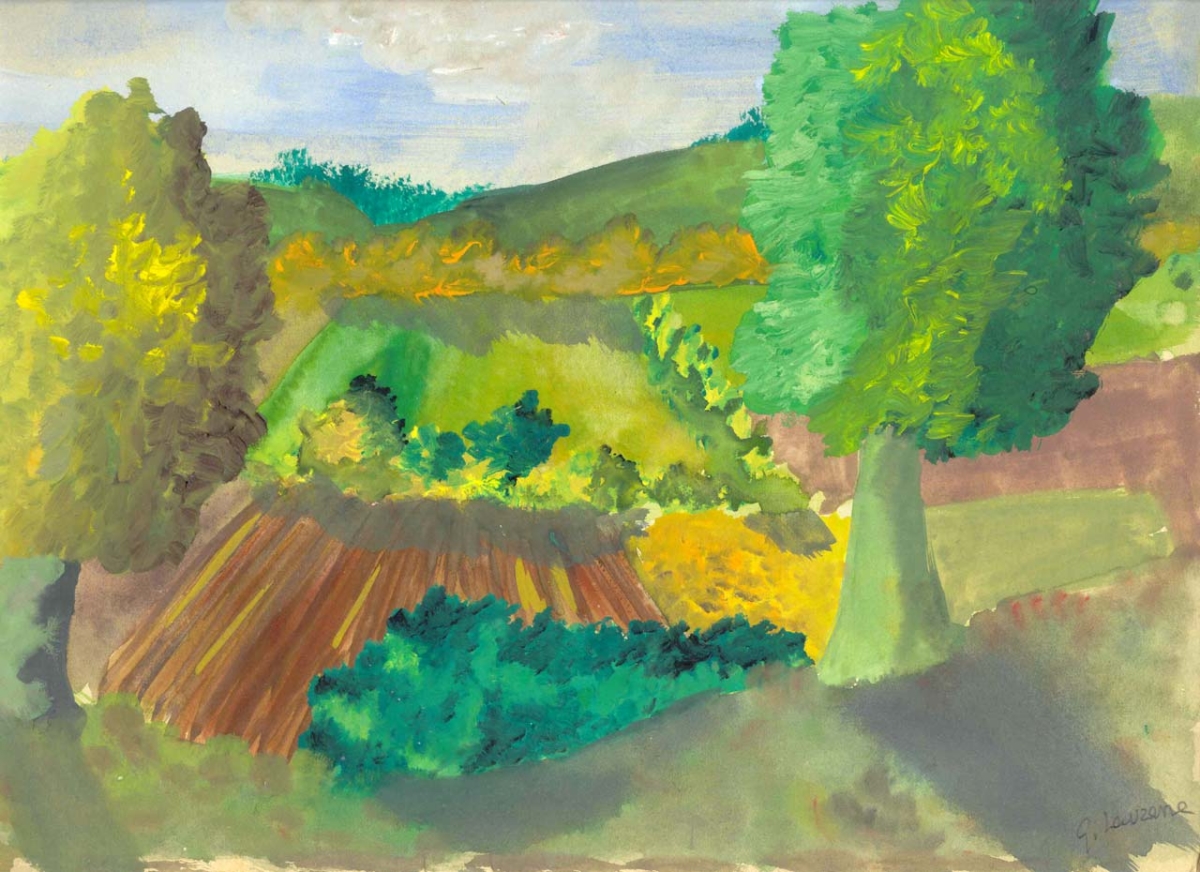 Rural landscape
Rural landscape Year: 1969
Technique: Tempera on thin cardboard
Dimensions: 13.8x9.45 inc (35x24 cm)
Progressive number of the 2010 catalog 250
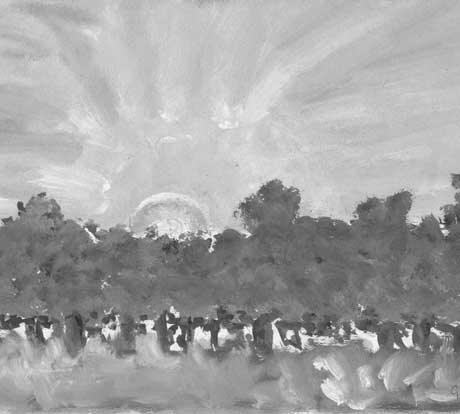
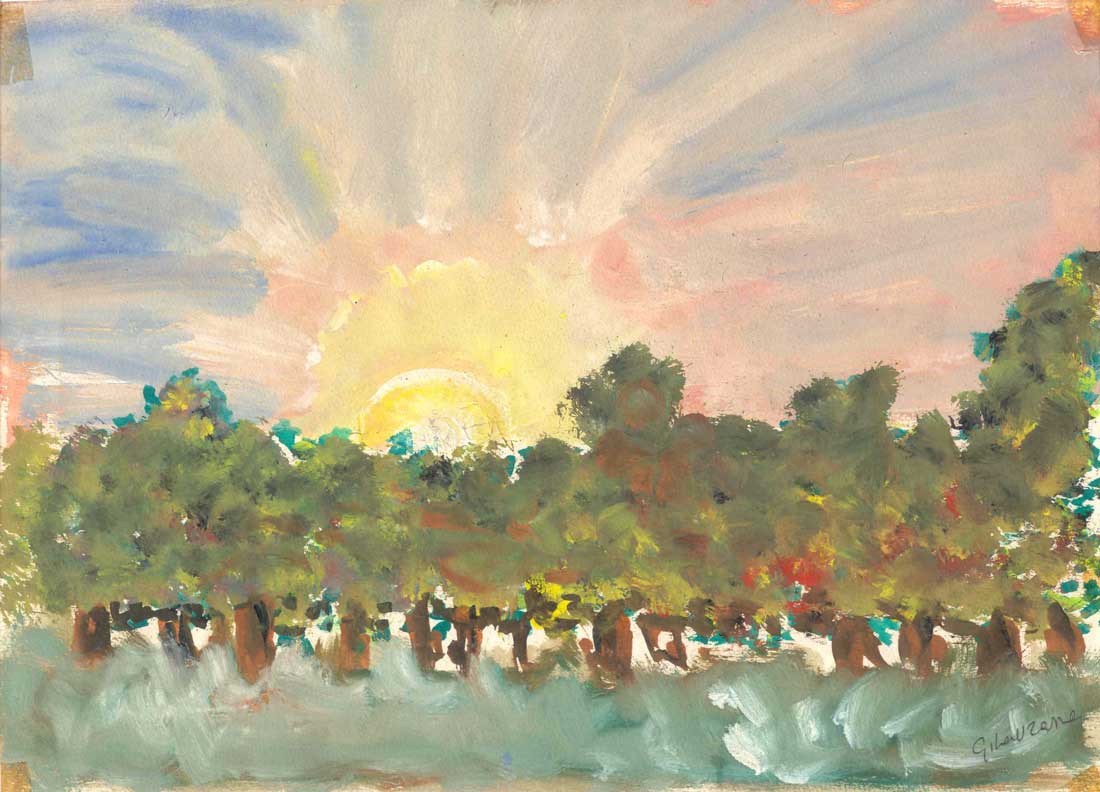 Aurora
Aurora Year: 1969
Technique: Tempera on thin cardboard
Dimensions: 11.4x8.3 inc (29x21 cm)
Progressive number of the 2010 catalog 244
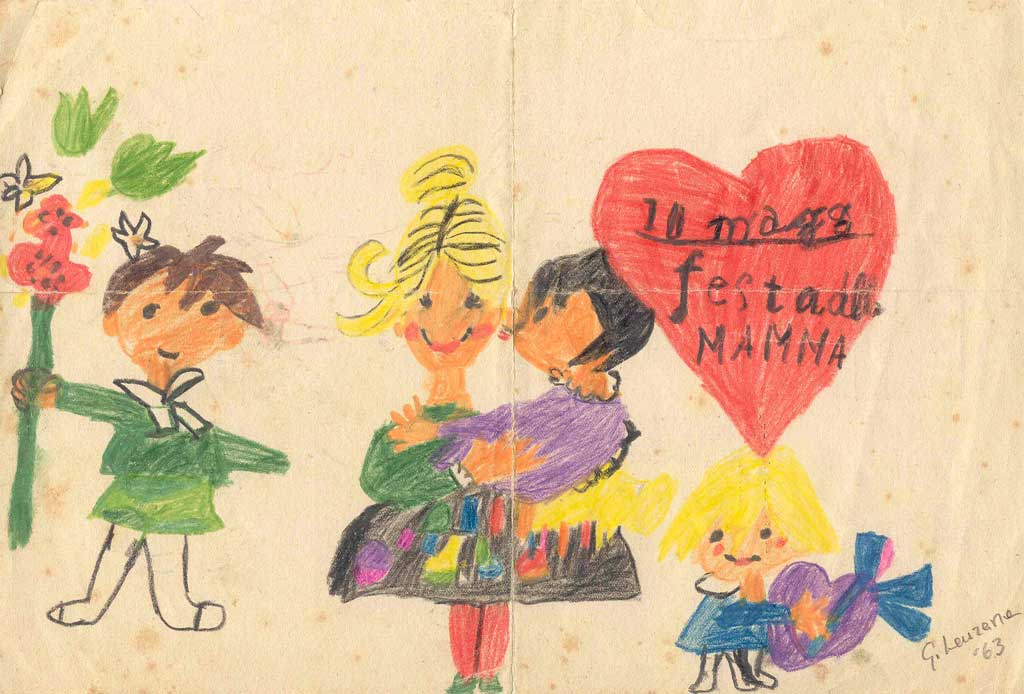 My first drawing
My first drawing Year: 1963
Technique: Crayon on edition 1940 paper
Dimensions: 11x7.5 inc (28x19 cm)
Progressive number of the 2010 catalog 258
 In the country
In the country
Year: 1970
Technique: Tempera on thin cardboard
Dimensions: 12.6x9.45 inc (32x24 cm)
Progressive number of the 2010 catalog 249
LandscapeLandscape
Year: 1970
Technique: Watercolours on thin cardboard
Dimensions: 13x9.45 inc (33x24 cm)
Progressive number of the 2010 catalog 242
Seaside holidaySeaside holiday
Year: 1970
Technique: Tempera on thin cardboard
Dimensions: 9.45x13.4 inc (24x34 cm)
Progressive number of the 2010 catalog 236
The sailing ship VoskaThe sailing ship Voska
Year: 1970
Technique: Tempera on thin cardboard
Dimensions: 13.4x9.45 inc (32x24 cm
Progressive number of the 2010 catalog 234
Still lifeStill life
Year: 1970
Technique: Wax crayons on red paper
Dimensions: 12.6x9.45 inc (32x24 cm)
Progressive number of the 2010 catalog 223
HareHare
Year: 1970
Technique: Tempera su thin cardboard
Dimensions: 12.6x9.45 inc (32x24 cm)
Progressive number of the 2010 catalog 222
Christ on the crossChrist on the cross
Year: 1969
Technique: Tempera on thin cardboard
Dimensions: 9.45x13.4 inc (24x34 cm)
Progressive number of the 2010 catalog 255
Rural landscapeRural landscape
Year: 1969
Technique: Tempera on thin cardboard
Dimensions: 13.8x9.45 inc (35x24 cm)
Progressive number of the 2010 catalog 250
AuroraAurora
Year: 1969
Technique: Tempera on thin cardboard
Dimensions: 11.4x8.3 inc (29x21 cm)
Progressive number of the 2010 catalog 244
My first drawingMy first drawing
Year: 1963
Technique: Crayon on edition 1940 paper
Dimensions: 11x7.5 inc (28x19 cm)
Progressive number of the 2010 catalog 258
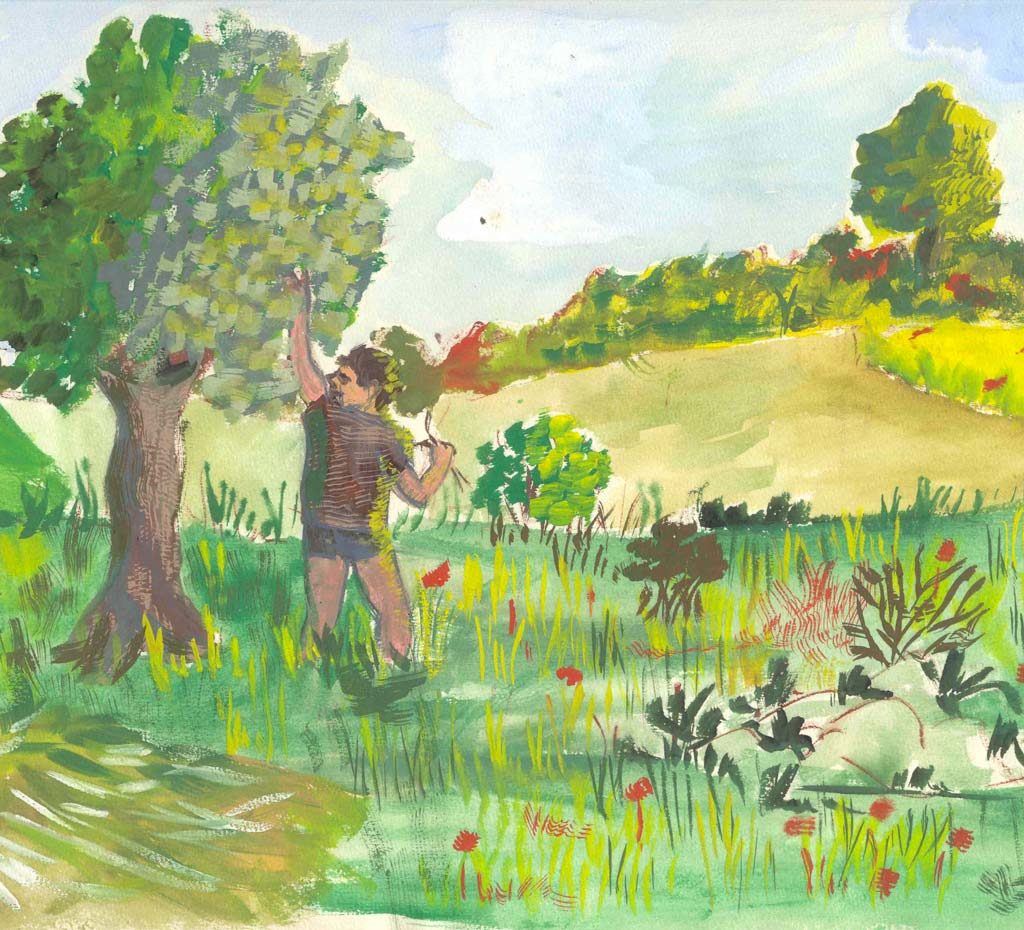 In the country
Year: 1970
Technique: Tempera on thin cardboard
Dimensions: 12.6x9.45 inc (32x24 cm)
Progressive number of the 2010 catalog 249
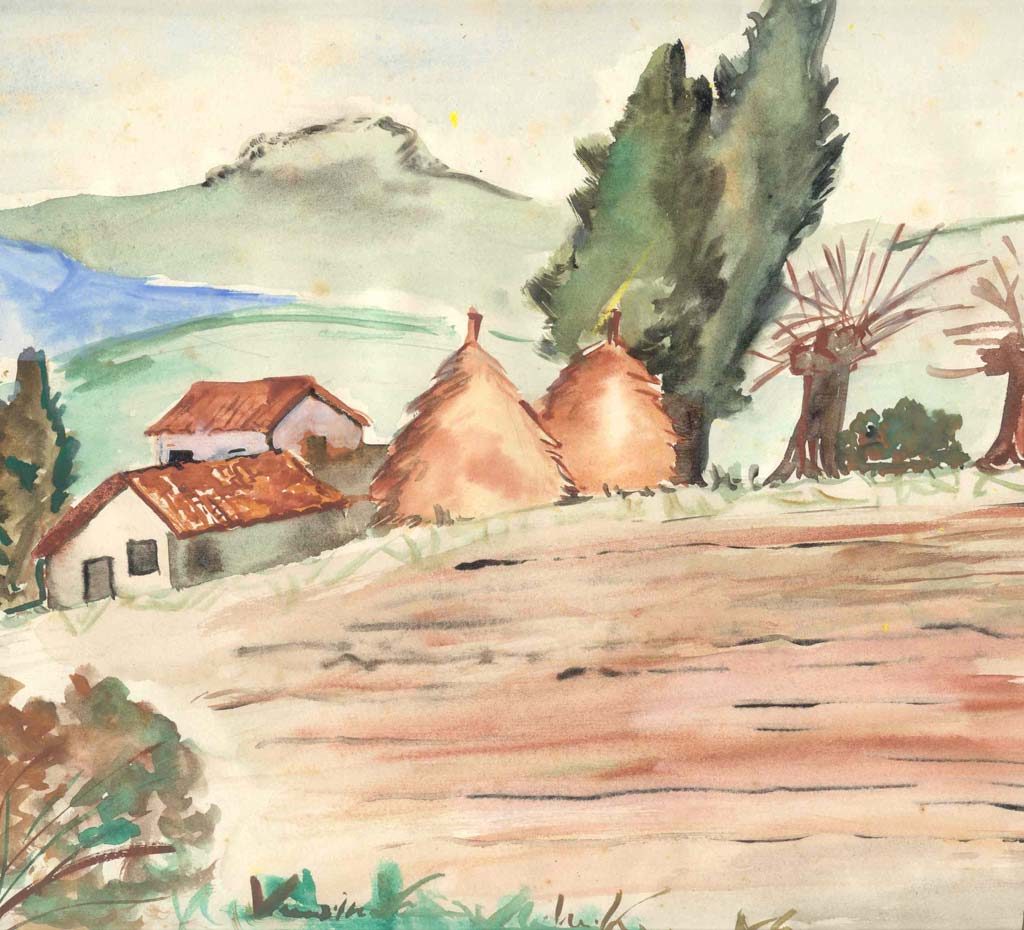 Landscape
Year: 1970
Technique: Watercolours on thin cardboard
Dimensions: 13x9.45 inc (33x24 cm)
Progressive number of the 2010 catalog 242
Seaside holidayYear: 1970
Technique: Tempera on thin cardboard
Dimensions: 9.45x13.4 inc (24x34 cm)
Progressive number of the 2010 catalog 236
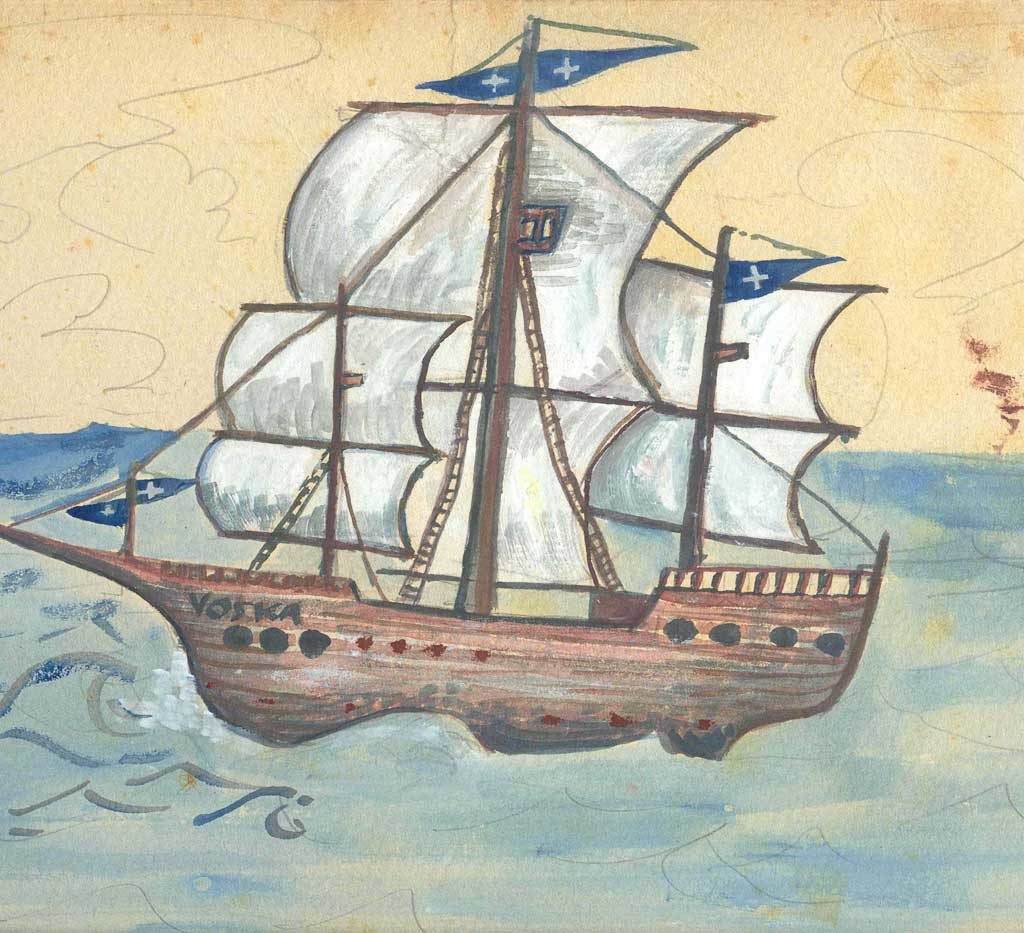 The sailing ship Voska
Year: 1970
Technique: Tempera on thin cardboard
Dimensions: 13.4x9.45 inc (32x24 cm
Progressive number of the 2010 catalog 234
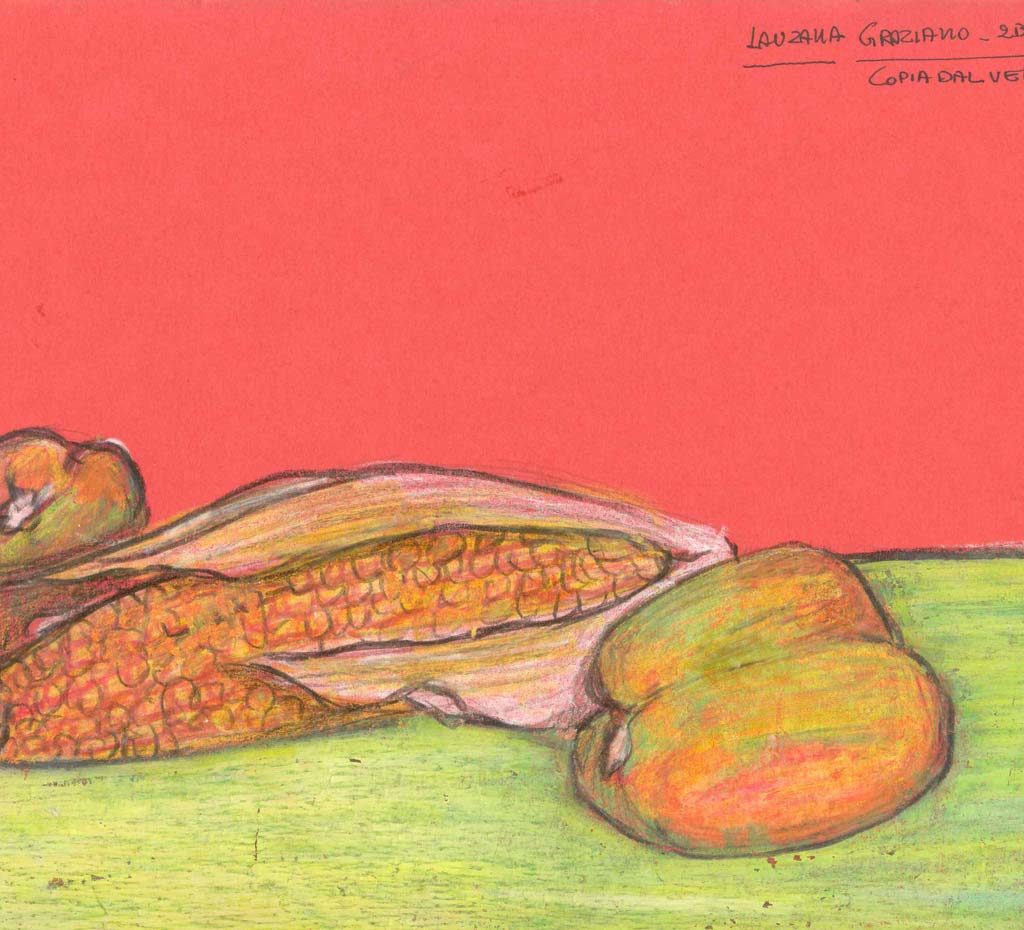 Still life
Year: 1970
Technique: Wax crayons on red paper
Dimensions: 12.6x9.45 inc (32x24 cm)
Progressive number of the 2010 catalog 223
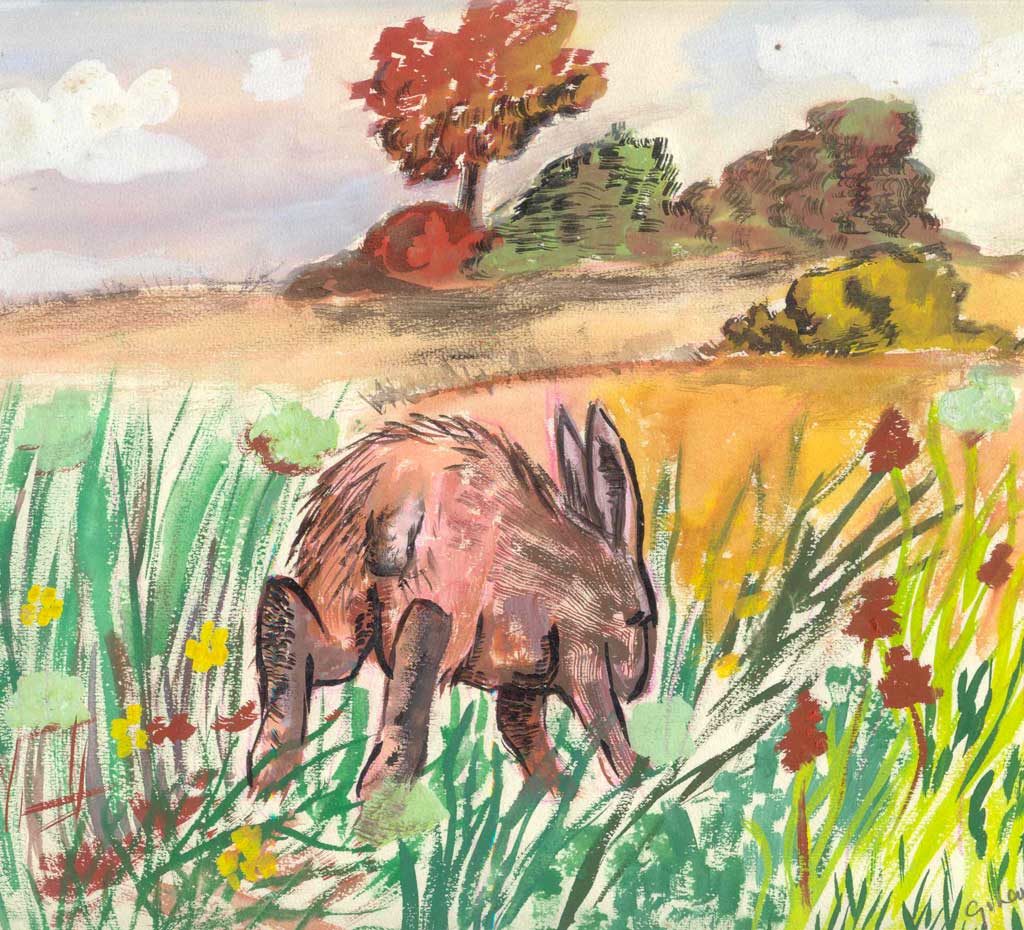 Hare
HareYear: 1970
Technique: Tempera su thin cardboard
Dimensions: 12.6x9.45 inc (32x24 cm)
Progressive number of the 2010 catalog 222
Christ on the crossYear: 1969
Technique: Tempera on thin cardboard
Dimensions: 9.45x13.4 inc (24x34 cm)
Progressive number of the 2010 catalog 255
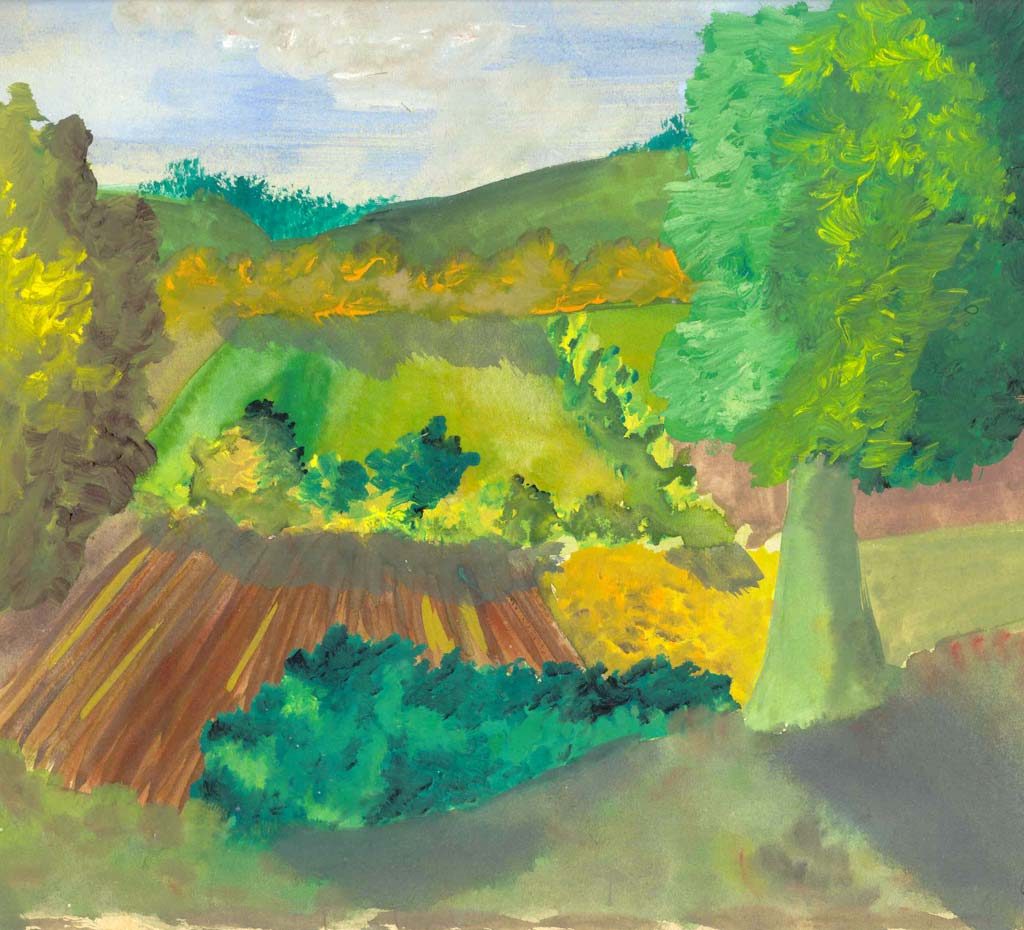 Rural landscape
Year: 1969
Technique: Tempera on thin cardboard
Dimensions: 13.8x9.45 inc (35x24 cm)
Progressive number of the 2010 catalog 250
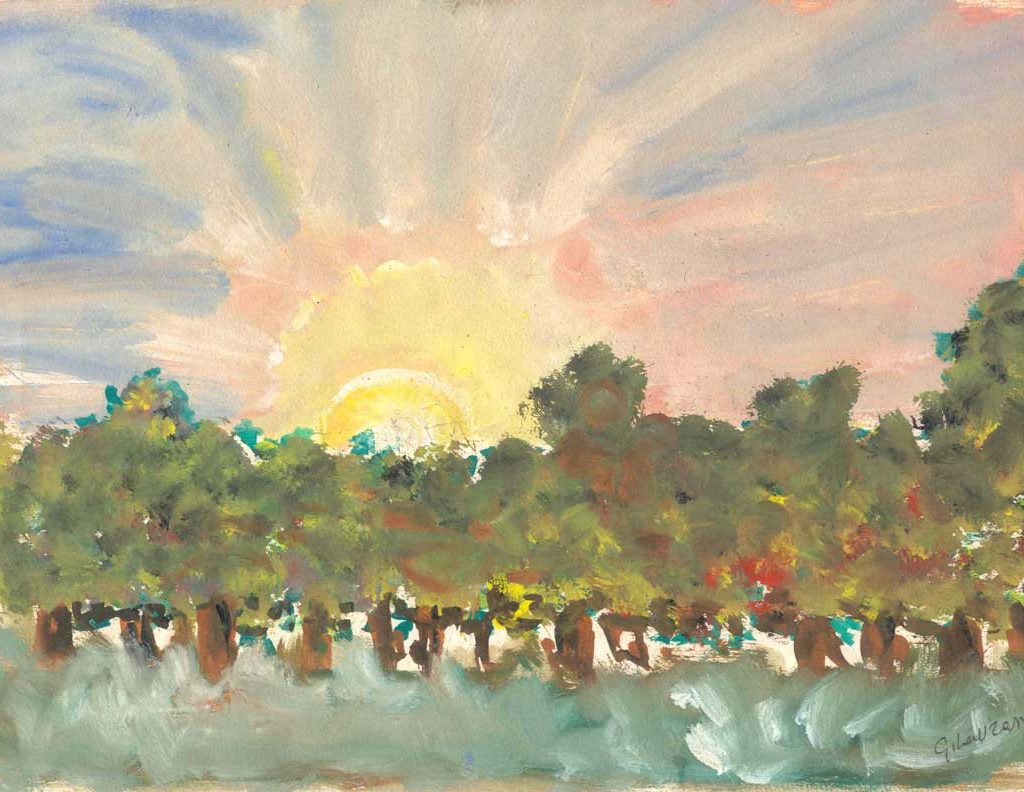 Aurora
Year: 1969
Technique: Tempera on thin cardboard
Dimensions: 11.4x8.3 inc (29x21 cm)
Progressive number of the 2010 catalog 244
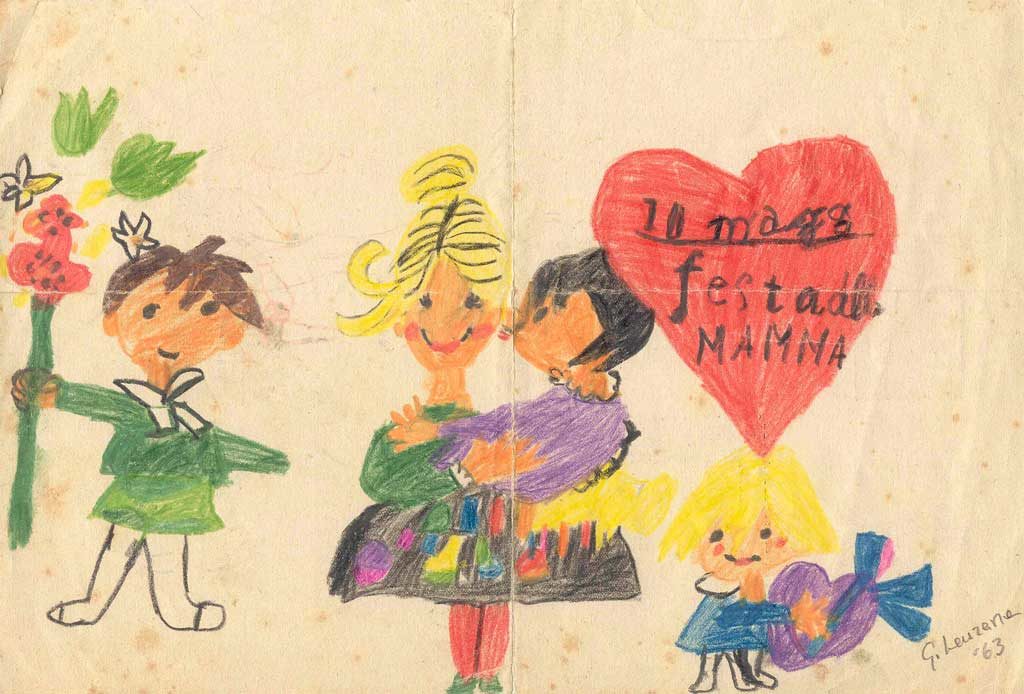 My first drawing
Year: 1963
Technique: Crayon on edition 1940 paper
Dimensions: 11x7.5 inc (28x19 cm)
Progressive number of the 2010 catalog 258